
Self-care does not have to involve expensive products, elaborate plans, or a full day of free time. Often, the most useful activities are simple, affordable, and easy to fit into everyday life.
At home, you can create small moments that help you slow down, restore your energy, and reconnect with what you enjoy. The key is to choose activities that feel supportive rather than turning self-care into another task on your to-do list.
1. Create a calming corner
You do not need an entire room for a relaxing space. Choose a comfortable corner of your home and make it inviting with items you already have.
Try adding:
– A blanket or pillow
– A favorite book
– A warm drink
– Soft lighting
– A small plant or meaningful object
– Headphones for music or quiet
Keep the area simple and uncluttered. Even five minutes in a designated calming space can help create a clear break between busy activities.
2. Take a screen-free break
Screens can make it easy to move from one task to another without taking a real pause. Set aside a short period to step away from your phone, computer, and television.
Start with 10 or 15 minutes. During that time, you might:
– Sit by a window
– Stretch gently
– Look through a magazine
– Listen to the sounds around you
– Make a cup of tea
– Simply rest
If completely disconnecting feels difficult, place your phone in another room or turn off nonessential notifications for a while.
3. Enjoy a simple at-home spa moment
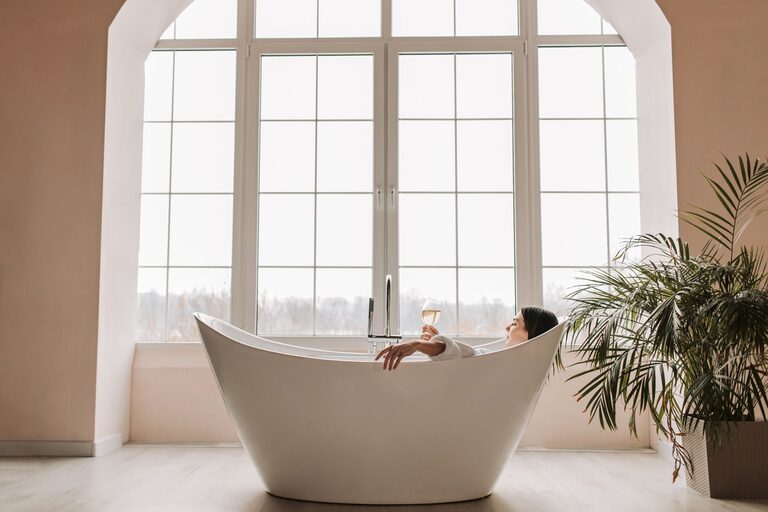
A relaxing routine can be created with basic household items. You might take a warm shower, wash your face, moisturize your hands, or soak your feet in warm water.
For an extra comfortable experience:
– Play quiet music
– Put on clean pajamas
– Use a fresh towel
– Dim the lights
– Apply a favorite lotion
– Spend a few minutes brushing or styling your hair
The goal is not to follow a complicated beauty routine. It is to slow down and treat ordinary care as a pleasant experience.
4. Make a favorite meal or snack
Cooking can become a form of self-care when you choose something enjoyable and keep the process manageable. Prepare a favorite meal, recreate a dish from childhood, or try a simple recipe using ingredients already in your kitchen.
You can also make a small snack feel special by:
– Serving it on a plate instead of eating from the package
– Adding fresh fruit or herbs
– Preparing a favorite drink
– Sitting at a table
– Eating without multitasking
If cooking feels like too much work, choose an easy option such as toast with toppings, soup, oatmeal, or a simple sandwich.
5. Try a five-minute writing exercise
Writing can help you pause and organize your thoughts. You do not need a journal or a special notebook. Any paper will work.
Set a timer for five minutes and finish one of these prompts:
– What has gone well today?
– What would make tomorrow easier?
– What am I looking forward to?
– What is taking up most of my attention?
– What is one small thing I can let go of?
Do not worry about grammar, structure, or making the writing sound polished. This is private time for reflection, not a writing assignment.
6. Move in a way that feels good
Movement does not have to be intense or expensive. Choose something that feels comfortable and enjoyable.
At home, you might:
– Stretch while listening to music
– Walk around the room during a phone call
– Dance to a few favorite songs
– Follow a free beginner workout
– Practice gentle mobility exercises
– Do household tasks at an easy pace
Even a few minutes can provide a change of pace. Focus on how you feel during the activity rather than treating it as a performance or competition.
7. Refresh one small area
Tidying can support a sense of calm, but cleaning an entire home may feel overwhelming. Instead, choose one small area and spend 10 minutes improving it.
Good choices include:
– A bedside table
– One kitchen drawer
– A desk surface
– A bathroom shelf
– Your bag or coat area
Put away items, remove rubbish, and keep only what belongs in that space. When the timer ends, stop or take a break. A small visible improvement can make the room feel more comfortable without turning self-care into a major chore.
8. Reconnect with a hobby
Hobbies do not need to be expensive or highly productive. Choose something that lets you enjoy the process.
Ideas include:
– Drawing or coloring
– Reading a library book
– Baking
– Playing an instrument
– Doing a puzzle
– Gardening with cuttings or seeds
– Knitting or repairing clothes
– Taking photos around your home
If you have not made time for a hobby recently, begin with 15 minutes. Keeping supplies in one easy-to-reach place can make it simpler to return to the activity.
9. Practice quiet breathing
A short breathing pause can help you shift your attention away from a busy moment. Sit comfortably and take a few slow breaths. Notice the feeling of the air moving in and out, without trying to force anything.
You can also try a simple awareness exercise:
- Name five things you can see.
- Notice four things you can feel.
- Identify three sounds.
- Notice two scents.
- Think of one thing you appreciate.
This activity requires no equipment and can be done almost anywhere in your home.
10. Have a low-cost comfort night
Plan an evening around a few small comforts. Choose a film you already enjoy, borrow a book, make popcorn, wear comfortable clothes, and prepare your favorite drink.
You could also create a themed night, such as:
– A classic movie evening
– A book and tea night
– A homemade pizza night
– A puzzle evening
– A music and candle-free low-light session
Planning the details in advance can make an ordinary evening feel more intentional.
11. Connect with someone you trust
Self-care can include connection. Send a message to a friend, call a family member, or arrange a relaxed video chat. You do not need a long conversation or a special reason to reach out.
A simple message might say:
– “I was thinking of you today.”
– “Would you like to chat for a few minutes?”
– “I hope your day is going well.”
– “Do you want to share a favorite song or recipe?”
If conversation feels tiring, exchange photos, play an online game, or watch the same show while chatting occasionally.
12. Build a simple evening routine
A consistent evening routine can make the end of the day feel calmer. Keep it short and realistic so it is easy to repeat.
Your routine might include:
– Putting away a few items
– Preparing clothes for the next day
– Washing your face
– Making a caffeine-free drink
– Writing down tomorrow’s top task
– Reading for 10 minutes
– Turning off bright lights
Choose only two or three steps at first. A routine works best when it fits your life instead of adding pressure.
Make self-care affordable and sustainable
The best self-care idea is one you are likely to use. Look around your home before buying anything new, reuse items creatively, and borrow books or equipment when possible. Free community resources, libraries, and online classes can also provide inspiration.
Most importantly, start small. A few minutes of rest, a nourishing meal, a tidy corner, or a friendly message can all count. Self-care is not about creating a perfect lifestyle. It is about making regular space for activities that help you feel more comfortable, refreshed, and connected to your everyday life.