
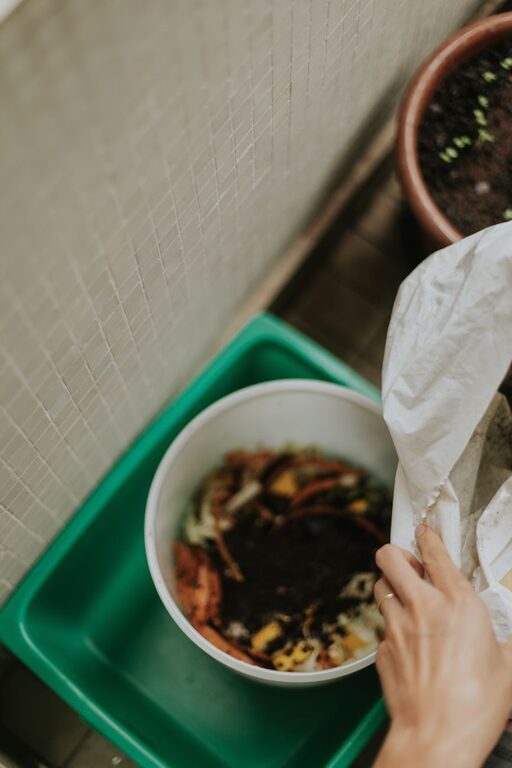
Composting is a simple way to turn many everyday food scraps and yard materials into a rich soil amendment. Instead of sending suitable organic waste to the trash, you can let it break down naturally and use the finished compost around your plants.
Starting a compost pile does not require a large yard, expensive equipment, or advanced gardening skills. With the right materials, enough air and moisture, and a little patience, beginners can create a successful composting system at home.
Choose a Composting Method
The best composting method depends on your available space, the amount of organic waste you produce, and how quickly you want results.
Outdoor Compost Bin
An outdoor bin is a practical option if you have a yard. You can buy a ready-made compost bin or create a simple enclosure using untreated wood, wire mesh, or another suitable material.
Place the bin on bare soil when possible. This allows helpful insects and microorganisms to enter the pile and improves drainage. Choose a spot that is convenient to reach but not directly against a building or fence.
Compost Tumbler
A compost tumbler is a sealed container that rotates on a stand. Turning the container is easier than using a pitchfork, and the enclosed design can help keep animals out. Tumblers are useful for small yards, although they may hold less material than a traditional compost pile.
Indoor Worm Composting
Worm composting, also called vermicomposting, works well for apartments and homes without outdoor space. Special composting worms live in a ventilated container and help break down food scraps.
A worm bin should be kept away from extreme temperatures and direct sunlight. It also needs damp bedding, such as shredded paper or cardboard. With proper care, a worm bin can produce both finished compost and a nutrient-rich liquid that should be diluted before some garden uses.
Community Composting
If home composting is not practical, look for a local community composting program, farmers market collection point, or municipal service. Some programs provide a small countertop container for collecting scraps before you drop them off.
Understand Green and Brown Materials
A healthy compost pile needs a mix of “green” and “brown” materials. These terms describe the general role materials play in the composting process.
Green Materials
Green materials are usually moist and relatively rich in nitrogen. Examples include:
– Fruit and vegetable scraps
– Coffee grounds and paper filters
– Fresh grass clippings
– Fresh plant trimmings
– Crushed eggshells
– Small amounts of fresh weeds without mature seeds
Brown Materials
Brown materials are usually dry and rich in carbon. Examples include:
– Dry leaves
– Plain cardboard torn into pieces
– Uncoated paper
– Straw or hay
– Small twigs
– Sawdust from untreated wood
You do not need to measure every ingredient. A simple beginner approach is to add roughly two or three parts brown material for every one part green material by volume. If the pile smells bad or looks too wet, add more brown material. If it is dry and barely changing, add more green material and a little water.
Add the Right Materials
Not every household item belongs in a basic backyard compost pile. Start with easy, reliable materials and expand your list as you gain experience.
Suitable items often include:
– Vegetable and fruit scraps
– Coffee grounds and filters
– Tea leaves and plain paper tea bags
– Eggshells
– Yard trimmings
– Dry leaves
– Plain cardboard and paper
Cut large scraps into smaller pieces before adding them. Smaller pieces have more surface area, so microorganisms can break them down more efficiently.
Avoid adding meat, fish, dairy products, greasy foods, pet waste, and diseased plants to a basic home compost pile. These materials can create strong odors, attract unwanted animals, or introduce problems into the finished compost. Also avoid glossy paper, heavily coated cardboard, treated wood, and materials containing chemicals.
When in doubt, check the instructions for your specific composting system. Worm bins, tumblers, and community programs may accept different materials.
Build the Pile in Layers
Begin with a layer of coarse brown material, such as small twigs or dry leaves. This helps air move through the bottom of the pile. Add a layer of green material, followed by another layer of brown material.
Keep adding materials as they become available. Cover fresh food scraps with a layer of leaves, shredded cardboard, or other brown material. This helps reduce odors and makes the pile less attractive to flies.
A compost pile should be large enough to retain heat and moisture but not so large that it becomes difficult to turn. For many beginners, a pile roughly three feet wide, three feet deep, and three feet high is a manageable starting point.
Keep the Compost Moist and Aerated
Moisture and air are two of the most important factors in composting. The materials should feel about as damp as a wrung-out sponge. If the pile is too dry, decomposition slows down. If it is soaking wet, air spaces disappear and unpleasant odors may develop.
Add water gradually if the pile is dry, mixing as you go. To improve drainage, add dry leaves, shredded cardboard, or small twigs if the pile is too wet.
Turn the compost every week or two with a garden fork or shovel. Moving the outside materials toward the center introduces air and helps the pile break down more evenly. A tumbler can be rotated according to the manufacturer’s instructions.
Solve Common Composting Problems
Bad Odor
A strong rotten smell usually means the pile is too wet or lacks air. Mix in dry brown materials and turn the pile. Avoid adding large amounts of fresh grass clippings or food scraps all at once.
Flies or Unwanted Visitors
Cover food scraps with brown materials and keep the compost balanced. Use a bin with a secure lid if animals are common in your area. Do not add meat, dairy, or greasy foods to an open backyard pile.
Slow Decomposition
A pile may break down slowly if it is too dry, too small, or made mostly of brown materials. Add a small amount of green material, moisten the pile, and turn it to improve airflow. Chopping larger items can also speed up the process.
Slimy Materials
Slimy compost often contains too much moisture or too many wet materials. Mix in dry leaves, shredded cardboard, or straw, then turn the pile thoroughly.
Know When Compost Is Finished
Finished compost is dark, crumbly, and earthy-smelling. Most of the original materials should no longer be recognizable, although small pieces of twigs or eggshells may remain.
Depending on the method, materials may take several months to break down. A well-managed pile can finish sooner, while a cool or infrequently turned pile may take longer. Let finished compost rest for a short time before using it if it still contains recognizable food scraps or feels warm in the center.
Use compost by mixing a small amount into garden soil, spreading it around established plants, or adding it to planting beds. Avoid placing thick layers directly against plant stems. Compost improves soil structure and adds organic matter, but it works best as one part of a broader gardening routine.
Start Small and Stay Consistent
The easiest way to build a composting habit is to begin with a manageable system. Keep a small container with a lid near the kitchen sink, and empty it regularly into your outdoor bin or worm system.
Do not worry about creating a perfect pile immediately. Pay attention to moisture, airflow, and the balance between green and brown materials. With a little practice, composting becomes a simple household routine that reduces waste and gives your garden a useful natural resource.