
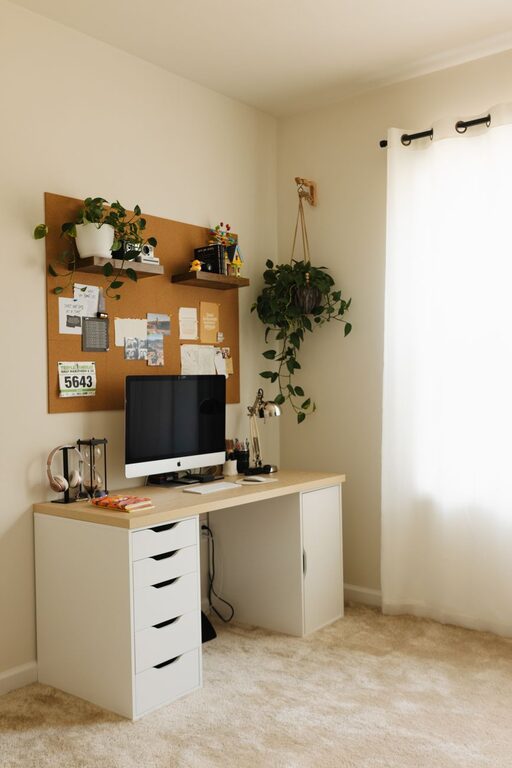
A workspace should do more than hold your computer and supplies. It should help you feel comfortable, focused, and ready to get things done. Whether you work from home, study in a small corner, or share an office, a few personal touches can make the space feel more inviting.
Personalizing your workspace does not require a large budget or a complete makeover. Small changes to your setup, storage, lighting, and decor can make a noticeable difference. Here are simple ways to create a workspace that feels more like your own.
Start With a Clean Foundation
Before adding decorations or accessories, clear away items you no longer need. A tidy surface makes it easier to see what works and what needs to change.
Remove old papers, empty containers, unused cables, and supplies that have collected over time. Then clean the desk, keyboard, monitor, and other frequently used surfaces. Starting with a clean workspace gives you a better idea of how much room you have.
As you organize, group items by how often you use them:
– Keep everyday items within easy reach.
– Store occasional supplies in a drawer or nearby container.
– Move rarely used items out of the main work area.
– Recycle or donate items you no longer need.
A simple reset can make your workspace feel new without requiring new furniture.
Choose a Color Theme
Color is an easy way to give your workspace a personal identity. You do not need to repaint the room or replace every item. Instead, choose one main color and one or two accent colors.
For example, you might use:
– Soft green for a calm, natural feel
– Blue for a clean and focused look
– Yellow or orange for an energetic touch
– Neutral colors with wood tones for a warm style
– Black and white for a simple, modern appearance
Add your chosen colors through small details such as a desk mat, notebook, pen holder, wall art, or storage boxes. Keeping the palette limited helps the space look coordinated rather than crowded.
If your workspace is in a shared room, small colorful accessories can create a distinct area without changing the entire room.
Improve Your Lighting
Good lighting can affect how comfortable your workspace feels throughout the day. Whenever possible, place your desk near a window so you can benefit from natural light. Position the desk to reduce glare on your screen, especially during bright parts of the day.
A desk lamp can make the area more comfortable in the evening or on cloudy days. Look for a lamp with an adjustable arm so you can direct light where you need it. A warm light can create a relaxed atmosphere, while a brighter neutral light may be useful for reading and detailed tasks.
You can also personalize the lighting with:
– A lamp in a color or material you like
– A small decorative light
– A lampshade with an interesting shape
– A timer or smart plug for convenient use
Avoid placing a bright light directly behind your screen or shining it into your eyes. The goal is to create an even, comfortable work area.
Add Greenery and Natural Elements
Plants can add color and texture to a workspace while making the area feel more welcoming. If you have natural light, consider a small desk plant, such as a succulent, pothos, or other easy-care variety.
If caring for a plant does not fit your routine, choose a low-maintenance option or a realistic artificial plant. You can also bring in natural materials through:
– A wooden pencil cup
– A woven storage basket
– A cork bulletin board
– A stone paperweight
– A small vase or dried flowers
Natural details can soften a workspace filled with screens and electronic equipment.
Display Items That Inspire You
Personal items can make your workspace feel connected to your interests. Choose a few items that bring positive memories or reflect your personality.
Consider displaying:
– A favorite photograph
– A small piece of artwork
– A postcard from a memorable place
– A framed quote
– A handmade object
– A collection related to a hobby
Use a small shelf, picture frame, or pinboard to keep these items organized. Try not to cover every open surface. A few meaningful pieces often have more impact than a large collection of decorations.
You can also create a rotating display. Change the items every few weeks or months to keep the space feeling fresh without buying anything new.
Make Organization Part of the Design
Storage does not have to be purely practical. Choose organizers that match your style and make everyday tasks easier.
Desk trays, file holders, boxes, and drawer organizers can keep supplies in their proper places. Matching containers create a neat appearance, while colorful or patterned options add personality.
Try these organization ideas:
– Use a tray for items you handle each day.
– Store pens and tools in a cup or container you enjoy looking at.
– Label boxes for papers, cables, and extra supplies.
– Use a small basket to collect items that need to be put away.
– Keep one drawer or container for miscellaneous items.
A well-organized workspace allows personal decorations to stand out instead of getting lost among clutter.
Personalize Your Desk Accessories
Everyday tools are an easy place to add personality. Choose accessories that are both useful and enjoyable to use.
You might replace a plain desk mat with one in a favorite color or pattern. A comfortable mouse, a supportive keyboard setup, or a well-designed notebook can also make daily work more pleasant. Other options include a distinctive calendar, a reusable water bottle, or a pencil case that reflects your style.
When choosing accessories, think about function first. Personal items should support your routine rather than make the desk harder to use. Leave enough open space for writing, reading, or other regular tasks.
Create a Flexible Layout
Your workspace may need to support several activities, such as computer work, writing, planning, or creative projects. A flexible layout makes it easier to switch between tasks.
Keep the center of the desk open when possible. Place frequently used tools along the sides or in nearby storage. If you use a laptop, a stand can create more room underneath for a notebook or keyboard.
You can also divide the space into simple zones:
– A screen area for computer work
– A writing area for notes and planning
– A storage area for supplies
– A display area for personal items
These zones do not need to be formal. Even a small workspace can feel more organized when each item has a clear place.
Use the Walls Wisely
Wall space can add character without taking up valuable desk room. A pinboard, floating shelf, calendar, or framed print can make the area more useful and personal.
A pinboard is especially helpful for displaying reminders, photos, cards, and small pieces of inspiration. A shelf can hold books, plants, or decorative objects while keeping the desk clear.
If you rent your space or cannot make permanent changes, use removable hooks, lightweight frames, or leaning artwork. Always follow the care instructions for your walls and mounting products.
Refresh the Space Regularly
A personalized workspace does not have to remain the same all year. Small seasonal updates can keep it interesting.
You might change the artwork, add a new plant pot, switch your desk mat, or rearrange a few accessories. At the same time, use each refresh as an opportunity to remove clutter and return items to their proper places.
The best workspace is one that matches your current needs. Pay attention to what makes you feel comfortable and what helps you stay organized. Then make small adjustments over time.
Personalizing your workspace is less about creating a perfect setup and more about making the area work for you. With thoughtful color choices, better lighting, useful storage, and a few meaningful details, even a small desk can become a comfortable and inviting place to spend time.