
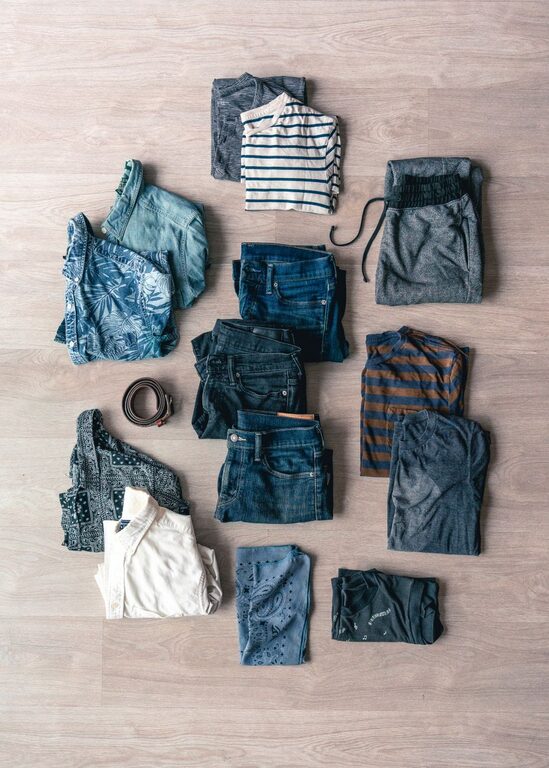
Building a basic capsule wardrobe is a practical way to simplify your closet and make getting dressed easier. Instead of keeping a large collection of clothes you rarely wear, you choose a smaller group of useful pieces that work well together.
A capsule wardrobe does not need to follow strict rules. It can be casual, professional, seasonal, colorful, or minimalist. The goal is to create a wardrobe that suits your lifestyle, personal preferences, and daily needs.
What Is a Capsule Wardrobe?
A capsule wardrobe is a carefully selected collection of clothing, shoes, and accessories that can be combined into many different outfits. Most pieces are versatile, comfortable, and suitable for more than one occasion.
For example, a simple button-down shirt might work with jeans for a casual outfit, trousers for work, or a skirt for a more polished look. The more combinations your clothes offer, the fewer items you need overall.
A basic capsule wardrobe often includes:
– Everyday tops
– Bottoms such as jeans, trousers, and skirts
– Layers such as sweaters, cardigans, or jackets
– One or two dressier pieces
– Shoes for common activities
– A few practical accessories
There is no perfect number of items. Some people may feel comfortable with 20 to 30 pieces, while others may need more clothing for work, travel, hobbies, or changing weather.
Start With Your Lifestyle
Before buying anything, consider how you spend most of your time. A wardrobe should support your real routine rather than an imagined version of your life.
Think about:
– Your work environment
– How often you dress casually
– Your usual activities and hobbies
– The weather where you live
– Special occasions you attend
– How often you do laundry
– The colors and styles you enjoy wearing
If you work from home most days, you may need more comfortable casual clothing than formal outfits. If you commute to an office, work uniforms, or attend frequent events, your wardrobe may require more polished options.
Write down the types of outfits you need most often. This helps you avoid buying pieces simply because they look appealing in a store.
Review Your Existing Clothes
The easiest way to begin is with the clothing you already own. Take everything out of your closet and group similar items together. This gives you a clear view of what you have and helps reveal patterns.
Create four groups:
- **Keep:** Items you wear often, feel comfortable in, and would choose again.
- **Repair:** Items you like but need to be fixed, cleaned, or altered.
- **Store:** Seasonal pieces or special items you do not need right now.
- **Remove:** Items that no longer fit, suit your lifestyle, or make you feel comfortable.
Ask yourself a few simple questions about each piece:
– Have I worn this in the past year?
– Does it fit comfortably today?
– Can I create at least two or three outfits with it?
– Is it in good condition?
– Would I buy it again?
Try not to keep clothing only because it was expensive or because you might wear it someday. If an item does not suit your current life, it is taking up valuable space.
Choose a Simple Color Palette
A capsule wardrobe works best when many pieces coordinate easily. A simple color palette can make this easier without limiting your personal style.
Start with two or three neutral colors, such as:
– Black
– White
– Gray
– Navy
– Brown
– Beige
– Denim
Then add one or two accent colors that you enjoy. These might include green, blue, red, yellow, or pink. You can also use patterns, textures, and accessories to add variety.
Your color palette does not need to be completely neutral. If you enjoy bright clothing, build your wardrobe around the colors you actually wear. The important point is to choose colors that combine well and match your existing pieces.
Build Around Core Clothing Categories
Once you know what you need and which colors work together, identify the essential categories for your wardrobe.
Tops
Choose a mix of basic and slightly more distinctive tops. Depending on your lifestyle, this might include:
– Two or three casual T-shirts
– One or two long-sleeved shirts
– A button-down shirt or blouse
– One comfortable top for layering
– A sweater or lightweight knit
Look for tops that work with several bottoms. A plain shirt may be more useful than a highly specific design that only matches one outfit.
Bottoms
Select bottoms that fit comfortably and suit your usual activities. A basic collection might include:
– One pair of everyday jeans
– One pair of casual trousers
– One dressier pair of trousers or a skirt
– Shorts or a seasonal alternative
– Comfortable clothing for relaxed days
Pay attention to fit and movement. A versatile item is only useful if you enjoy wearing it.
Layers
Layers help you adapt to changing temperatures and create more outfit combinations. Useful options include:
– A cardigan
– A casual jacket
– A blazer
– A denim or utility jacket
– A medium-weight sweater
– A coat suited to your local weather
Choose layers that fit comfortably over your tops. Neutral layers are often easy to combine, but a colorful jacket can also become a useful statement piece.
Dresses and Occasion Pieces
If you wear dresses, include one or two options that can be styled in different ways. A simple dress might work with sneakers and a casual jacket during the day, then look more polished with different shoes and accessories.
If you rarely attend formal events, you may not need a large collection of occasion clothing. Instead, choose one reliable outfit that can be adjusted with layers, shoes, or accessories.
Select Versatile Shoes
Shoes can take up significant closet space, so choose them based on your daily activities. A basic collection might include:
– Comfortable everyday sneakers
– Casual flats, loafers, or similar shoes
– Weather-appropriate boots
– Dressier shoes
– Sandals or another seasonal option
Comfort, durability, and practicality should come before trends. The best shoes are the ones you can wear often and pair with several outfits.
Add Accessories for Variety
Accessories allow you to change the appearance of simple outfits without adding many clothes. Useful choices may include:
– A belt
– A practical everyday bag
– A scarf
– Simple jewelry
– A hat
– Sunglasses
– A watch
You do not need many accessories. Choose a few items that reflect your style and work with your color palette.
Test Your Wardrobe Before Shopping
After organizing your clothes, create several outfits from your selected pieces. Try to make at least 10 combinations using different tops, bottoms, layers, shoes, and accessories.
Take photos of outfits you like. This can make busy mornings easier and help you identify missing items. If you repeatedly struggle to complete an outfit, note what would make the biggest difference.
For example, you may discover that you need:
– A neutral sweater
– Comfortable work shoes
– A jacket that matches most of your clothes
– A top that works for both casual and dressier settings
Buy only the pieces that solve a clear problem.
Shop Slowly and Intentionally
A capsule wardrobe is not created in one shopping trip. Add clothing gradually and focus on quality, comfort, and usefulness.
Before buying something, ask:
– Does it fit my current lifestyle?
– Can I wear it with at least three existing pieces?
– Do I feel comfortable in it?
– Is it suitable for the weather and activities I experience?
– Do I already own something similar?
– Will I still want to wear it next season?
Avoid purchasing an item simply because it is on sale. A lower price does not make a piece useful if it remains unworn.
Maintain Your Capsule Wardrobe
Review your wardrobe at the beginning of each season. Check for worn-out items, clothing that no longer fits your routine, and gaps that have appeared over time.
Care for your clothes by following washing instructions, repairing small problems promptly, and storing seasonal pieces properly. Good maintenance can help clothing last longer and reduce the need for frequent replacements.
Most importantly, allow your capsule wardrobe to change. Your work, hobbies, climate, and personal preferences may shift. A successful capsule wardrobe is flexible and supports your life as it is now.